How to make sure your shoes are really the right size for your feet — and why this matters
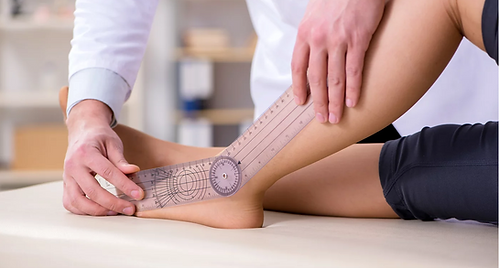
Most foot problems are linked to ill-fitting shoes. Whether they are too big and not providing support which can lead to imbalances, and issues like plantar fasciitis, or they are too small and causing toe-deformities, and skin and nail problems.
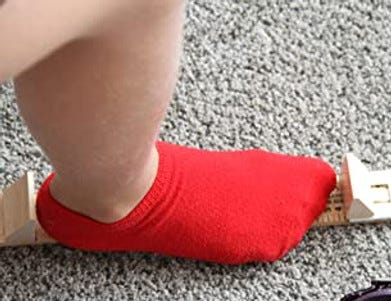
For hiking shoes, since the tongue tends to be attached on both sides and doesn’t move around, you must make sure the shoe doesn’t feel tight on the top of the foot (above the instep). Always try your hiking shoes or boots with thick socks on and then you will have the option to gain more volume with thinner socks on long hikes. A snug feeling is essential, a tight feeling will hurt.
Next, check the width and ensure you have enough space around the toe box. Some materials, (plastic, varnished leather, etc.) do not give. These materials press on the ball of the foot and cause pain. Also, if there is stitching around the ball of the foot it won’t allow the material to give and this can also lead to pressure on the forefoot. Basically, it’s either a case of the foot misshaping the shoe (good material, good scenario) or the shoe pressing/rubbing onto the foot, affecting the skin and joints (bad scenario leading to skin build up, Metatarsalgia, Morton neuroma, Bunions / Hallux Valgus, etc.)
If your foot is quite narrow, you can still give yourself the support you need by lacing the shoe correctly. Cross the laces to maintain the forefoot and use the “heel lock” lacing method to maintain the heel in place. Make sure you do not tighten your shoes too much, as this just move any foot pain elsewhere on the foot.
PODO CLINIC & WORKSHOP
W1W 7RD, London ( Direction )
MEGHAN MARKLE’S UNUSUAL LIFESTYLE CHOICE COULD BE SERIOUSLY IMPACTING HER HEALTH
Melanie Macleod Jun 24, 2022
Sonia Seivwright Jul 11, 2022
Mum’s the boss Jul 25, 2022
Information / Booking
020 3301 2900
Go further with your orthotics
Orthotics are only one piece of the puzzle in helping your body work better.
Below you will find a wealth of information that has been helping patients around the world get the ‘big picture’.
The following resources (articles, videos and tutorials) do not just strive to give out the right advice, they also set the record straight on common misconceptions.
Originally published at https://www.podo.london.
Comments
Post a Comment